Obituary
Notes from a Life of Loyalty to the End: Agus Purnomo
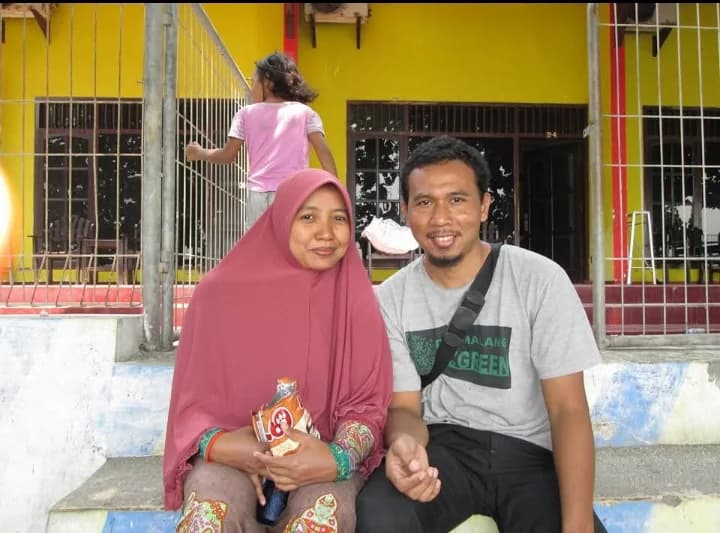
During his time developing within Diaz, the idea emerged to cultivate two kinds of literacy among Diaz members: textual literacy through access to books, and experiential literacy through adventure activities and field visits, using photography as a medium. In this way, every member gains a more complete understanding of the surrounding environment before taking a photograph.
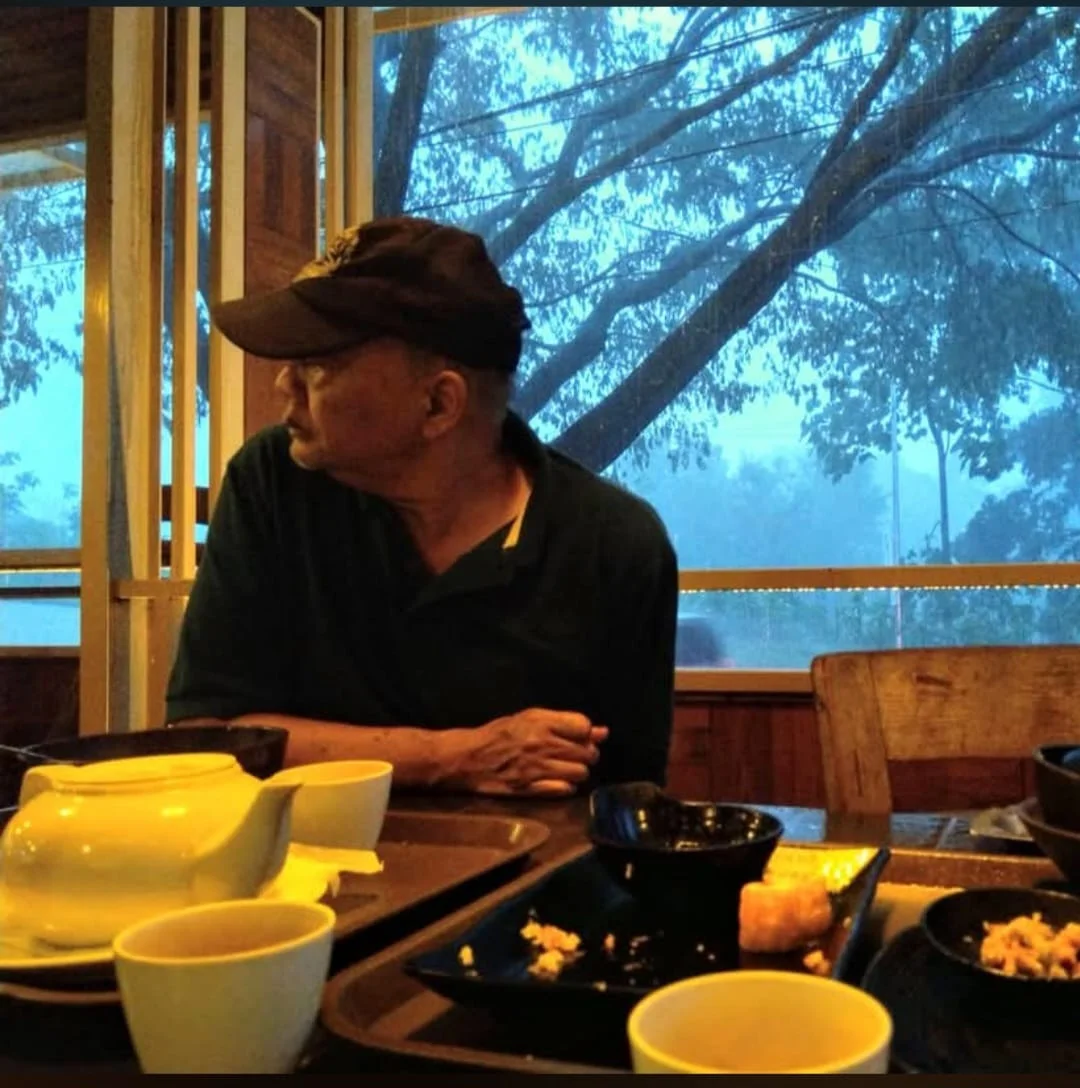
Agus Purnomo was born in Situbondo on 25 December 1980. He attended SD Andongsari 5, SMPN 1 Ambulu, and SMKN 3 Jember, before continuing his studies in the Communication Department at Universitas Muhammadiyah Malang. Unfortunately, because he was so busy with the organization and with documentation activities across East Java, he never managed to finish his studies. He passed away in his hometown, Situbondo, on 22 April 2022 due to illness.
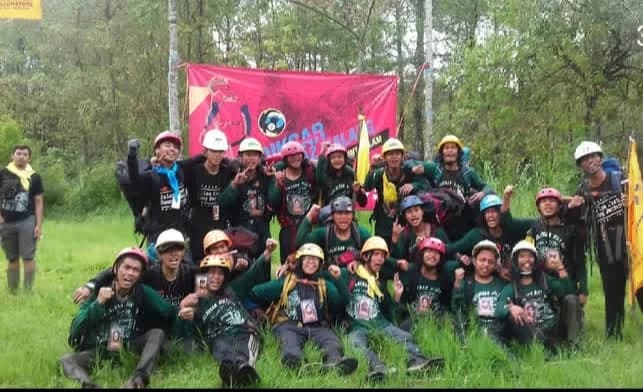
Agus joined the DIAZ organization in 2023 with member number D139117 Elang Hutan. Throughout his service in the organization, Agus was known as a figure who persistently fought for spaces of creativity through his skills as a photographer. Equipped with knowledge from his field of study in the Communication Department at UMM, he was able to spark the members' interest in getting to know the world of photography, understanding the principles of good photo documentation, and recognizing how a photojournalist works. He even mastered camera hardware maintenance. For him, photography was not merely the skill of taking pictures, but a means of conveying stories from all layers of society.
Agus's involvement in every DIAZ activity was always consistent. At that time, the operational cost of printing photos was quite expensive, and camera equipment was still hard for some members to access. Yet he never stopped trying to deliver the best results for the organization. He often sacrificed his time, energy, and even personal funds just so that the visual records of the organization's activities.
During his time at DIAZ, an idea was born to develop two kinds of literacy among DIAZ members: textual literacy through access to books, and experiential literacy through adventure activities and field visits using photography as a medium. In this way, every member would have a fuller understanding of the surrounding environment before taking a photo.
A book kiosk with a klenengan building (a Javanese term for a wall made half of brick and half of used plywood, with a roof of asbestos sheets), simple yet well arranged and combined with red and white paint, yet looking elegant, stood with self-confidence as a form of self-actualization and was named “KEDAI BUKU”. From the activity of this book kiosk idea, he tried to build the economy in a social-entrepreneurial way, as a shared space for participants and at the same time a space for spreading knowledge. It was a place well suited for hanging out and discussing among literacy activists. He rented out books at low prices, while for children they were free at his book kiosk.
The book collection he prepared was not only about photography techniques, but also included books on anthropology, folktales, travel journals, and writings about local communities. Together with a coffee shop that shared the same room, this place became an informal yet lively learning space. The book kiosk was located near Landungsari terminal, with an area of 5x4 meters, which was very representative for a kiosk. The collection at that time was roughly 750 books of various kinds, including photo collections, and several photo exhibitions were held there featuring the work of Agus himself and his friends.
The book kiosk also served as a gathering place for DIAZ members and various other communities. Full of the aroma of kopi tubruk (traditional boiled coffee), it became a meeting point where people could share knowledge, read books, and discuss with networks outside the organization while breathing in the distinctive aroma of freshly brewed hot coffee. At this meeting place, he once welcomed a visit from Don Hasman, a figure greatly admired in the world of Indonesian documentary photography.
Don Hasman is a national photographer born in Bandung who has long been engaged in ethnophotography with an anthropological approach. He traveled extensively across islands to record the lives of indigenous communities, cultural rituals, and the social changes taking place in Indonesian society. His works are often exhibited in national galleries and serve as a reference for many learners of documentary photography. He is known as a person of class with a gentle manner of speaking, typical of the Sundanese way of talking.
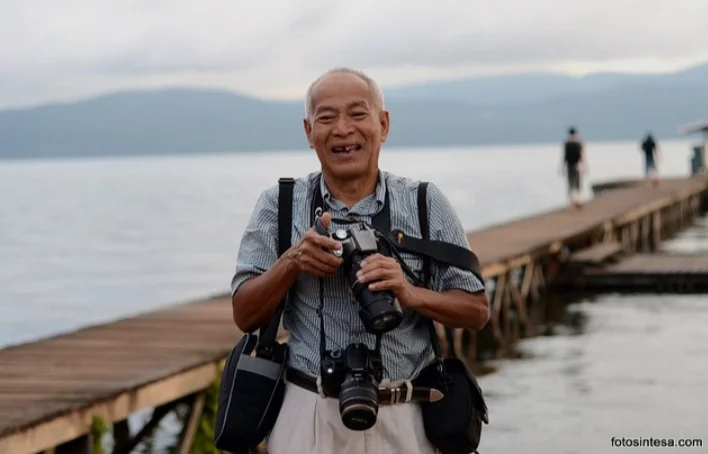
When he visited the book kiosk and the DIAZ secretariat, Don Hasman chatted warmly with Agus. In that conversation, he gave a message that would leave a deep impression on Agus's creative journey:
“Agus, keep up your struggle to introduce photography as a medium for building the literacy of your friends and the community around you.”
That message became one of the triggers for Agus to develop the direction of his community. In his way of thinking and his photographic style, he was greatly influenced by Don Hasman's school of thought, which prioritizes depth of meaning and the relationship between humans and culture, although he still preserved the authenticity of his own personal style.
Agus's way of thinking was indeed somewhat different from that of the other members. He tended to stay quiet, absorbing and taking stock of potential. He was rarely seen in debates concerning organizational management techniques. Perhaps by character he was more introverted, yet he got along easily with others. He liked to help others within his limited means.
Agus Purnomo leaves behind two children; his wife had passed away before him. Now the traces of his thinking on photography and the spirit of literacy that he instilled among DIAZ members remain a legacy that continues to be remembered. May all the deeds and dedication of the late Agus during his service at DIAZ be graciously accepted, and may the family he left behind always be granted strength in remembering the traces of his struggle.
------------------ 000--------------------
Viva DIAZ